
Health Hub
When should you see a physiotherapist vs an orthopaedic surgeon?
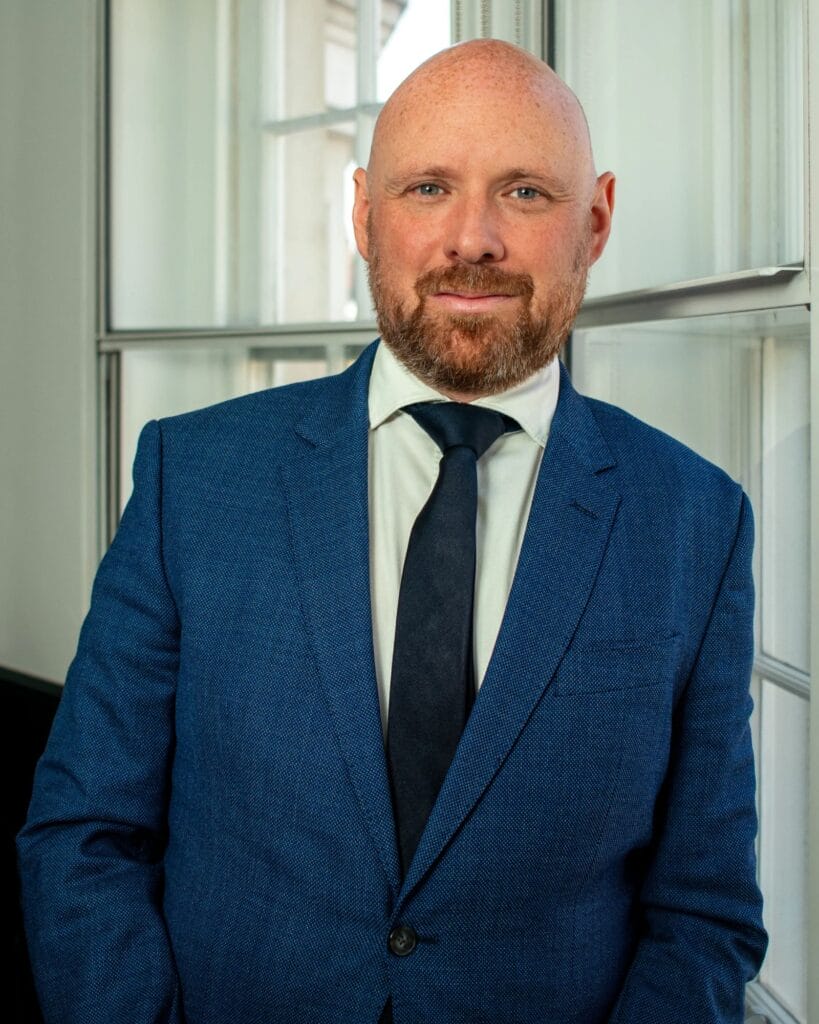
Checked for accuracy by Dr David Porter
Musculoskeletal problems are common. From back pain and sports injuries to arthritis and joint stiffness, these conditions can affect daily life and make it difficult to stay active. But with so many different specialists involved in musculoskeletal care, knowing where to turn first can feel confusing.
Getting advice early makes a real difference. The right specialist can help identify the cause of your symptoms, guide you through treatment options and support your recovery. This blog explains the roles of different musculoskeletal experts and offers guidance on choosing the most suitable care for your needs.
Understanding musculoskeletal issues
Musculoskeletal problems affect the body’s bones, joints, muscles, ligaments and tendons. They’re very common and can cause anything from mild stiffness to ongoing pain that gets in the way of daily life.
Some frequent examples include:
- Back or neck pain
- Arthritis, including osteoarthritis and rheumatoid arthritis
- Tendonitis or tendon pain
- Sports injuries, such as ankle sprains or strains
- Nerve compression issues (like carpal tunnel syndrome)
In some conditions, these symptoms settle or improve with simple remedies like rest and pain relief medications. For other musculoskeletal conditions, like arthritis, symptoms don’t go away or gradually get worse – and that’s when seeing a specialist becomes important.
Living with pain or reduced movement can feel frustrating, but you don’t have to put up with it. Getting advice early means you can understand what’s causing the problem and get the right support to protect your mobility and improve your quality of life.
Types of specialists who can treat musculoskeletal issues
Because musculoskeletal problems can affect different parts of the body in different ways, there isn’t just one type of specialist who treats them. The most appropriate expert for you will depend on your symptoms, your medical history and whether you might need orthopaedic surgery or not.
What is a physiotherapist?
A physiotherapist is a specialist in movement and rehabilitation. They use exercise programmes, hands-on therapy and advice on making lifestyle changes to help you manage pain, improve mobility and prevent problems from coming back.
Physiotherapy is often the first step if you’ve got back or neck pain, muscle strains, stiffness after an injury or general aches that aren’t improving. Treatment is tailored to each person, focusing on restoring strength, flexibility and confidence in movement so you can return to your usual activities safely.
Physiotherapists work across many areas, from musculoskeletal and sports rehabilitation to neurological, respiratory and post-surgical care. Some specialise in women’s health, paediatrics or older adult rehabilitation, supporting people through different stages of life. They also play a key role in preventing further injury by teaching exercises and movement techniques that help maintain long-term joint and muscle health.
What is an orthopaedic surgeon?
An orthopaedic surgeon specialises in diagnosing and treating conditions affecting the bones, joints, muscles, ligaments and tendons. Their work ranges from treating everyday joint problems to performing complex surgical procedures that restore movement and quality of life.
Orthopaedic surgeons care for people of all ages, including children with growth or developmental conditions and adults with degenerative (gradually worsening) joint disease or injuries. Some orthopaedic surgeons provide trauma and A&E support, managing fractures, dislocations and serious injuries, while others focus on planned procedures, helping people manage long-term conditions like arthritis or sports-related damage.
Orthopaedic surgeons perform a wide range of procedures, depending on your diagnosis. These include:
- Arthroscopy – a minimally invasive procedure used to diagnose and treat problems inside a joint
- Arthroplasty – joint replacement surgery, most often for hips and knees
- Corrective or reconstructive surgery – to realign bones or joints after injury or deformity
- Repair procedures – such as tendon or ligament repair following tears or trauma
While surgery is an important part of their expertise, many conditions can still be managed without an operation. Orthopaedic surgeons will guide you through all available options, helping you make an informed choice that supports your long-term recovery and wellbeing.
Treatment options for musculoskeletal conditions
Not all musculoskeletal problems require surgery. Many people benefit from additional non-surgical treatments that can reduce pain and support recovery alongside physiotherapy.
In some cases, a sports and exercise medicine specialist will be involved in your musculoskeletal care.
Sports and exercise medicine consultants assess injuries that aren’t improving with physiotherapy alone, or conditions linked to sport, training or physical activity. They focus on restoring movement and preventing further injury, using a combination of rehabilitation planning and targeted treatments.
Before you see an orthopaedic surgeon, you may be recommended treatments such as:
- Steroid injections can help ease inflammation and pain in affected joints, tendons or soft tissues, particularly in conditions such as arthritis or bursitis. These are often used to relieve symptoms enough to allow physiotherapy to be more effective.
- Platelet-rich plasma (PRP) therapy uses a small sample of your own blood to promote healing. The platelets are concentrated and re-injected into the injured area to encourage tissue repair. PRP may be recommended for tendon or ligament injuries or to help manage osteoarthritis pain.
These treatments can relieve pain and make it easier to progress with physiotherapy. If your symptoms don’t improve, or if scans show a more significant injury, your sports medicine specialist may recommend a review with an orthopaedic surgeon.
How to choose the right specialist for your needs
Knowing which specialist to see can feel overwhelming, especially if you’re dealing with pain or limited movement. The best starting point often depends on the type of problem you’re experiencing and how it affects your daily life.
When to see a physiotherapist
Physiotherapists are usually the right first step for most musculoskeletal problems.
They can help if you’ve got:
- Back or neck pain that isn’t settling on its own
- Stiffness, weakness or reduced mobility after an injury
- Ongoing muscle or joint aches that limit your daily activities
- Recovery needs after surgery or a fracture
- Sports injuries such as sprains, strains or tendon problems
- Postural issues linked to sitting, working or lifestyle
- Balance problems or difficulties with walking
Through tailored exercise programmes, manual therapy and advice on lifestyle changes, physiotherapists focus on helping you recover movement and manage pain without surgery.
When to see an orthopaedic surgeon
An orthopaedic surgeon may help if your symptoms are more severe, long-lasting or linked to a significant injury.
You might need their input if you have:
- A fracture or suspected broken bone
- A torn ligament, tendon injury or cartilage damage
- Persistent pain from arthritis that isn’t improving with other treatments
- Severe joint pain that limits daily activities
- A hip or knee problem that may need a joint replacement
- Shoulder injuries, such as rotator cuff tears
- Ongoing pain or instability after an injury that hasn’t healed properly
Orthopaedic surgeons can carry out surgery if needed, but they’ll often start with non-surgical treatments, such as joint injections or recommending physiotherapy. They’ll guide you through
Working together to support your recovery
For most musculoskeletal conditions, the best outcomes are achieved through a team approach. Physiotherapists and orthopaedic surgeons often work together, supported by other specialists such as rheumatologists, radiologists and pain management experts. Together, they form a multidisciplinary team that ensures every aspect of your care is connected.
You might begin with physiotherapy to help restore movement and strength, then be referred for a surgical opinion if your symptoms don’t improve. Equally, physiotherapy is often essential after surgery to aid recovery and help you return safely to daily life or sport. This collaboration means your treatment plan can adapt as your needs change, without delay or repetition.
At King Edward VII’s Hospital, our musculoskeletal specialists share the same goal – to help you move comfortably, recover fully and feel confident in your care. With rapid access to diagnostics, tailored treatment and expert follow-up, every patient receives seamless, coordinated support from start to finish.
Access musculoskeletal support with King Edward VII’s Hospital
At King Edward VII’s Hospital, you’ll find expert consultants across orthopaedics, rheumatology and physiotherapy, working closely together to provide multidisciplinary care. Whether you need help managing everyday aches, recovering from injury or exploring surgical options, our specialists are here to guide you.
We offer rapid access to diagnostic tests and treatments under one roof, so you won’t have to wait long for answers or care. Every patient is treated as an individual, with tailored plans designed around your lifestyle, goals and needs.
If you’re living with pain or reduced mobility, you don’t have to manage it alone. Our musculoskeletal team is ready to support you every step of the way.
Contact our team today to discuss your symptoms and explore the best treatment options for you.
Article Sections

Personal Care, Elevated by Innovation
Exceptional care with cutting-edge innovation to provide a truly personalised healthcare experience. We pride ourselves on showcasing premium clinical excellence delivered with a human touch.
Health Hub
Access professional, consultant-led medical advice and resources to support your healthcare journey
Flexible payment plans
Our flexible payment plans help make private treatment with top UK specialists more accessible
Luxury in every detail of your care
From the moment you make contact, we take care of every little detail
Latest Hospital News
Should you wish to speak to our press team, please visit Press Enquiries